Saturday, 13 November 2010

LAPLANDS STILL PRESENT


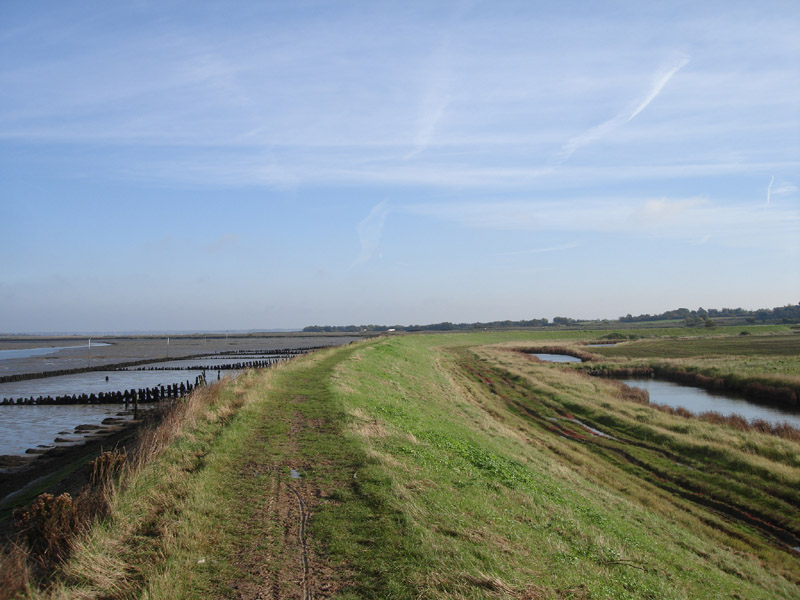
Walked along the Strood seawall on Saturday 13th and was rewarded with views of 3 lapland buntings which was nice. There were still a gathering of various small birds in one corner of the weedy field since I was last here two weeks ago. The distinctive "tew" call of the lapland bunting rang out across the field as it circled around a few times before landing back again.

Amongst the 100 linnets, 30 skylarks, 12 corn buntings were two other lapland buntings that were seen on the ground a few times. The two laplands were feeding with some of the linnets sometimes on the near edge of the winter wheat field and also feeding on top of the seawall path. They were easier to pick out in flight amongst the linnets as they were always calling. Also seen in the area were rock pipit, reed buntings and a few meadow pipits.

Along the Strood Channel the tide was out and there were plenty of waders on show with 14 species noted. Three spotted redshanks standing together along the central channel was an interesting sight for early winter. Other waders noted were a green sandpiper, 100 knot, 500 golden plover, 200 lapwing, 30 black-tailed godwit and a bar-tailed godwit along with many of the othe regular waders.

More shelduck were present since the last visit with 60 birds and also 200 wigeon roosting on the mud. Twenty little grebes were in the shallow waters and there were 5 little egrets seen too

Scattering all the waders along the channel was a peregrine chasing briefly after a wood pigeon. The peregrine soon gave up and headed over to Ray Island where a kestrel briefly flew with it, showing the difference in size. The peregrine continued over to the Ray Channel where it stooped unsuccessfully down on another bird.

Martin Cock watched a short-eared owl flying over Langenhoe, during his visit to Maydays Farm.

Friday, 12 November 2010

MUDDY MARSHES

Visited the Rewsalls marshes on the south side of the Island on Friday 12th for a change as I'd not looked at the area for couple of months. Recent rains have transformed two grass fields into mud-baths, as the picture above shows. My visit coincided with the high tide which meant that lots of waders were gathered on the muddy fields for roosting and feeding. This was an unexpected bonus seeing 1000+ birds in the area with waders, brent geese and gulls to be seen.

Of the eight species of wader, most were plovers with 400 golden plover, 25 ringed plover, 50 lapwing and 10 grey plover, along with 250 dunlin, 20 turnstone, 50 curlew and 10 redshank. The dunlin were scuttling about as if they were out feeding on the tidal mudflats. Every so often all the birds rose into the air and circled round a few times beore settling back down. In the nearby wheat field 300 brent geese were happily chomping their way across the young crop.

Other birds noted included 23 mallard, 2 teal, 4 meadow pipits, great spotted woodpecker and a kestrel.
Along the East Mersea road there were hundreds of gulls, rooks, jackdaws, crows, starlings, pigeons feeding in the fields near Bocking Hall. At least fifty skylarks were also seen flying around these fields too.

The country park has been getting its fair share of autumnal weather over the last few days with heavy rain and strong winds although Wednesday brought a brief respite with lots of sunshine. There were also some high tides to contend with last weekend and into the start of this week and the beach and park cliff have taken more pounding from the sea.

In the park's grazing fields on Wednesday the first big flock of brent geese were feeding for the first time here this autumn. Around 600 geese were enjoying the autumnal flush of grass growth on a sunny afternoon, as was a group of 200 wigeon. Also in the same field was a flock of 400 golden plover feeding while the tide covered the nearby mudflats.

Around the muddy pools 30 black-tailed godwits, 50 curlew and 10 snipe were amongst small numbers of teal and wigeon. On the park pond 6 gadwall, 25 shoveler, 3 tufted ducks and 30 mallard were the main ducks present, while a fox snoozed in a nearby corner. In the nearby hedge 4 redwings fed on some rowan berries and 5 siskins flew off some alder trees. Still foraging along the hedgerows in the park are at least 4 goldcrests, often with the main mixed tit flock.

Martin Cock reported 4 bearded tits along the Maydays borrowdyke on Wednesday, the second sighting for this area in the last fortnight. Amongst the small bird flocks were 200 greenfinches, 50 linnet, 4 yellowhammers and several corn buntings too. In the Pyefleet there were 4 red-breasted mergansers and a goldeneye as well as a greenshank. From the West Mersea Esplanade the great northern diver was still present along with a common scoter and an eider.

David Nichols was lucky seeing a coal tit on his feeder in his garden in Queen Ann Drive at the beginning of the week. This species isn't resident on the Island although there have been one or two winter records at various feeders over the years.

Sunday, 7 November 2010

RAPTOR ROUTE

There was a sunny and still start to Saturday 6th with clear views across the park's grazing fields. The flooded western end of the fields continue to hold the main concentration of waders and wildfowl. This in turn attracted a peregrine to the area which caused chaos on the pools beneath it as it passed overhead. The birds weren't allowed to settle for a minute as they then had to wait for a sparrowhawk to glide over the pools too, as it seemed to follow the same route as the peregrine.


Numbers of waders and wildfowl peaked over the weekend during the spring high-tides around the middle of the day. There were about 300 wigeon, 300 teal, 100+ curlew, 140 redshank, 50 black-tailed godwits, 25 lapwing and 30 snipe. Along with a few shoveler, mallard, moorhens there were also 2 little egrets and 2 grey plover by the pools.


Several finches, buntings and small birds were feeding alongside this path near the East Mersea Golfhouse. At least fifteen species were noted together in this small area which seemed an interesting gathering. Birds of note included a siskin on top of a bush calling, brambling heard briefly, yellowhammer and 2 reed buntings in the bushes with a small flock of greenfinches, chaffinches and 15+ goldfinches.

On the nearby seawall 140 avocets were on the mud and a red-breasted merganser was in the river Colne near Langenhoe Pt. There was the fine sight of 800 golden plover flying high over the park in a huge flock and at least 50 knot flew onto the mudflats.


Twenty chaffinches were seen near this path by the park pond on Saturday morning, while earlier a brambling was seen flying west over the car park and also 4 redpolls and 6 siskins passed over the park too. A yellowhammer stopped off at the car park briefly on Friday morning.

The sunny weather brought out one last common darter and a red admiral to enjoy the warmth around the middle of the day on Saturday.

The following day there was a cold winter's feel to the weather on Sunday 7th with a few showers in the afternoon. The fresh easterly wind brought in a late swallow across the park and also lots of flocks of starlings totalling about 500 birds coming in off the sea and heading west. Five redpolls flew west but 6 siskins were seen flying east over the car park.

As the tide was coming in 13 sanderling were feeding close to the park beach with a few dunlin, turnstone and redshank. On the park pond there were 28 shoveler and 3 tufted ducks, 4 gadwall, 25 mallard while a water rail called from the back. In the early evening a badger was seen in the car headlights crossing the road near the park entrance.

At West Mersea there was a great northern diver, red-throated diver, common scoter and eider seen from the Esplanade on Sunday and a kingfisher was seen by the East Mersea Oyster Fishery.

On Saturday Martin Cock saw two bearded tits at Maydays and there was a greenshank and 5 red-breasted mergansers in the Pyefleet. Later in the afternoon at Reeveshall, 10 marsh harriers and a merlin were seen over the Langenhoe marsh coming into roost for the night. At least 200 brent geese and a few greylag geese were seen feeding on the Reeveshall fields up until dusk.

Thursday, 4 November 2010

SHORELARK SURPRISE

Quick walk around the East Mersea Point on Wednesday 3rd, provided an unexpected view of a shorelark on the beach. The bird was feeding right at the eastern tip on the top of the shingle, calling every so often when it looked up. The colourful yellow and black markings on the face stood out in the morning sunshine. The bird was watched for a few minutes and while I distracted myself by making a couple of phonecalls, the birds disappeared and wasn't found again.
I believe there has been only one other shorelark in Essex so far this winter and that was almost a month ago at Walton on the Naze. The last shorelark here at the Point was seen for just one day last December.

A female stonechat was doing lots of flycatching off the tops of the bushes at the Point. A rock pipit was seen flying over the saltmarsh calling as it went. A late swallow passed over the grazing fields, as one did the previous day too.

There was much panic amongst the waders and wildfowl on the fields which was caused by a hunting peregrine. The bird was seen to stoop several times until a second peregrine appeared on the scene and started to harass it. The two birds tussled as the smaller male repeatedly tried to mob the bigger female accompanied by loud calls. Both birds passed overhead as they headed east over the Colne and when they reached the other side, the mobbing started again as they flew into Brightlingsea Creek.

Martin Cock saw the lapland bunting again at Maydays Farm on Tuesday, while Adrian Amos enjoyed a brambling at his feeder in his West Mersea garden along East Road on Wednesday.


This distinctive cloven-hoof footprint of a muntjac deer was discovered on the beach near the Point. The trail of prints seemed to follow some of the paths amongst the saltmarsh bushes which is an odd location for a deer. Two muntjac were seen last week near the park pond, so not that far away from this location of footprints.


Not only are many leaves turning to a nice mix of autumnal colours but many have already fallen to the ground, such as this path at the park, carpeted in yellow maple leaves.

In the trees around the park there are still several goldcrests feeding with the tits. Two siskin and a couple of redpolls flew over the park calling during the morning. A redwing was also heard near the pond.

This feathered thorn moth was one of three in the trap on Thursday morning after a breezy night for moth activity. The moth is a widespread moth although not as many this autumn in the traps as this time last year.

This dark chestnut is the first record for the year and usually is noted a couple of times in the late autumn here at the park.

The commonest moth at the moment is the aptly named November moth with five individuals being noted. Other moths seen were a large wainscot and a setaceous hebrew character.

Monday, 1 November 2010

BACK FOR THE BUNTING

The lapland bunting was still present in the fields by the Strood on a sunny Monday 1st. It flew around the weedy field a couple of times calling as it passed overhead but no views of it on the ground. Martin Cock also saw a lapland bunting on his morning walk at Maydays Farm, where the bird was heard calling and then watched landing on the saltmarsh.

Here in the Strood fields, there was a good number of 70+ mix of skylarks, corn buntings, meadow pipits, linnets with a few goldfinches and reed buntings. Some birds were feeding in a young winter wheat crop and some feeding in the weedy field.

A peregrine stirred up all the waders and wildfowl along the Channel as it flew along. The most impressive flock were 1000 golden plover that rose into the air from the mud by the Strood causeway.

Half an hour later whilst looking at the flock of little grebes in the channel, they all suddenly ducked under in a splash. Swooping low over their heads was the peregrine again, homing in on a redshank on the nearby bank. The redshank leapt out of the way and the big female peregrine climbed back up and circled over the channel giving good views from the seawall.

A male pintail on the water with some of the shelduck and brent, was the only bird different from Sunday morning.

In the afternoon there was a great view of a firecrest in Firs Chase, West Mersea feeding with a big tit flock of 50+ birds. This little gem flitted through the same holly bush where a firecrest had been seen a couple of years ago. Among the great tits, blue tits and long-tailed tits were at least 4 goldcrests too. Twenty redwings flew over to the west as dusk approached, on their way to roost.

The sunny weather led to 3 red admirals fluttering together over Firs Chase in the afternoon.

Sunday, 31 October 2010

STROOD-SIDE BIRDS


Despite the clocks changing and the extra hour, I was still out early to check the fields near the Strood seawall on Sunday 31st. This field of weeds in the photo above has been left uncultivated through the summer and autumn and has developed a good variety of plants. The yellow flowers of the black mustard added a splash of colour, as did the daisy-like mayweed plants. There were some rape plants, thistles and various grasses too.

Whilst standing beside the field listening to the small birds as they flew around, the call of a lapland bunting was heard. At first it couldn't be seen after briefly calling while 50 linnets flew about. A short while later the bird called again and this time it was seen flying high and sadly it kept flying, eventually flying westwards off the Island towards Copt Hall. Also noted were 20 corn buntings, 10 goldfinches, 10 skylarks, 10 meadow pipits and 5 reed buntings. A second linnet flock was feeding in a field up by Strood Hill and rock pipit was seen on the saltmarsh.

The other brief excitement was hearing some bearded tit calls from the borrowdyke reed bed. Only a few calls were heard and no birds were seen but at least one or two birds were probably present. A short while later the tits had moved along the dyke and were heard calling from a second reedbed. Bearded tits were last located here about four years ago but no sightings here since then.

There was a good mix of waders and wildfowl along the Channel as the tide receded. However a red-throated diver feeding along the shallow part of the channel was unexpected and an unusual occurrence for here. It soon turned round and drifted quickly back down past the Hard, diving every so often between the moorings. Also in the channel was the high count of 28 little grebes.

Waders noted included 2 greenshank, 400 golden plover, a few knot, black-tailed godwits and 2 bar-tailed godwits as well as the usual waders. There were a few shelduck, wigeon, teal and brent geese also seen, along with one or two little egrets and cormorants resting on the mud.

Two marsh harriers disturbed all the birds as each one passed over the saltings and mudflats. This provided a good opportunity to see how many waders were in the area as they rose into the air as a harrier passed by.

The lack of breeze made it easy to hear birds call as they flew overhead with 6 brambling heard by the Dabchicks, 2 redwing, 3 song thrushes by the caravan site, 4 siskin by the Lane, 4 lesser redpolls flying west by the caravan site and 4 goldcrests in a birch tree in Firs Chase.


There were calm waters at high tide along the Strood at the end of a very sunny Saturday 30th. A walk along the seawall in the last hour of daylight didn't provide views of much, as the small birds had gone to roost as had all the waders along the Channel.

The main roost of interest were at least 20 little egrets perched on the tree-tops on Ray Island. A few wigeon, shelduck and brent geese gathered in small groups along the edge of the saltings. Flying to roost were 15 corn buntings and also 10 pied wagtails.

Thursday, 28 October 2010

TIDYING UP FOR THE GEESE


Have spent the last few days with the tractor swiping down the rough grass and old thistles in the park's grazing fields. Most of the wildlife seen has been from the tractor cab, as I've bounced along.

The fields are best for birds in the winter when the grass has been cut back and these two photos show a before the cut (above), and the fields a few days later after the cut (below). Wildfowl such as the wigeon and brent geese have always enjoyed grazing these fields during the winter.

The first geese onto these fields was a family of brent with two youngsters, grazing one end before I'd finished cutting the field today. A small flock of wigeon were also able to spread out onto the cut field to graze, although most of the wigeon are still grazing the area near the pools. There were still lots of teal, curlew, redshank and a few black-tailed godwits at the pools as well as a single grey plover.

At least a dozen snipe flew out of the long grass as the tractor edged closer to them. On one occasion I got out of the tractor as one snipe took off and soon landed again but on closer inpsection it was only a snipe and not a jack snipe. A few curlew were also feeding amongst the long grass and small numbers of skylarks and meadow pipits and a flock of ten goldfinches were also seen.

I heard that I just missed seeing two muntjac deer at the back of the pools near the pond at the end of Wednesday, that emerged once I'd left the fields. However a little owl perched up beside the car park at dusk calling loudly.

Earlier on Thursday 3 siskin flew over the pond and a sparrowhawk flew over the car park, while at the Point 2 rock pipits were noted and 140 avocets were on the nearby mud.

On Tuesday the kingfisher flew along the borrowdyke near the Golfhouse and landed in bush over the water. Two late swallows flew over the park in the morning slowly heading westwards.

On Monday Martin Cock found 3 female goosanders fishing along the edge of the water just below the Esplanade at West Mersea, where there was also 5 red-breasted mergansers, 13 great crested grebes and a siskin flying west. Later at Maydays there was a greenshank along the Pyefleet, while the following day a common scoter, 2 red-breasted mergansers were noted there and a ringtail hen harrier on Langenhoehall marshes.
Near here Hugh Owen was very lucky to have the rare sight of two tree sparrows visit his bird feeder on Tuesday afternoon.

The moth trap operated through Wednesday night and the following morning 18 moths of five species were noted involving satellite, November, green brindled crescent, yellow-line quaker and feathered thorn.