Saturday, 31 December 2011

YEAR END


It stayed overcast for most of Saturday 31st on Mersea, the last day of the year. No new species were added today to the year's bird list for the Island. Martin Cock somehow managed to see the most species on the Island during 2011 with 161 species. I fell short of his tally (again!), by three species ending the year on 158 species, while Andy and Steve were a few species below this. In total around 173 species of bird were seen on or from the Island by local and visiting birdwatchers. Each year throws up some unexpected birds and 2011 was no exception with a good start to the year and an interesting late autumn too.
No doubt 2012 will have a few surprises waiting up it's sleeve!

Andy Field found the first Slavonian grebes of this winter offshore from the park with two distant birds on the sea. He also managed to locate the jack snipe still present in the middle of the pools in the grazing fields. The 24 snow buntings were also reported at the Point just after middday, although they'd soon disappeared back over the water. A common buzzard was seen soaring over one of the woods near Brightlingsea church in the afternoon.

In the Colne 10 red-breasted mergansers were noted and 5 marsh harriers were flying over the lagoon at Langenhoe Point. Martin Cock had earlier seen a common buzzard from Maydays Farm flying over Langenhoe marshes.

Birds around the country park today have been roughly the same variety of species and the same numbers as recent days.

Friday, 30 December 2011

SNIPE SHOTS


Three common snipe were seen feeding in the field by the country park pond on Friday 30th. This bird got to within 15 metres of the hide and these photos were taken while the camera was pressed up to the binoculars - "digi-binned". Normally snipe can be hard to spot amongst the grass tussocks but this one was giving close views.


The snipe were probing the soil for worms and every so often they pulled one out of the ground. Snipe numbers have dropped around the pools in the main fields over the last fortnight from 90+ birds down to about 20 birds.


At the end of the afternoon, a fox trotted past the pond and the 3 snipe which had been well concealed in the grass, jumped out of the way. The fox carried onto the hedge at the back and tried to pounce on a water rail which just managed to escape by flying to the pond.

There was the usual mix of ducks with 5 tufted duck, 10 gadwall, 10 shoveler, 50+ mallard as well as the two pairs of wigeon that also jumped out of the way of the passing fox.


Teal have been noisy on the pools with 300+ birds resting and feeding. There were bigger gatherings on the fields of waders and wildfowl during the afternoon high tide roosts. At the pools over the last two days have been 200 black-tailed godwits, 50 redshank with 400 wigeon, 350 golden plover, 400 brent geese, 50 curlew and 130 lapwing. Also in the fields were 20 turnstone, single dunlin, grey heron and 10 stock doves.

On Thursday at dusk there was the unexpected fly past the pond of a glossy ibis, probably looking for somewhere to spend the night. The bird was heard calling as it approached the pond but veered away, showing it's distinctive silhouette of a black body with a long neck and downcurved bill. The bird flew off to the north-west disappearing in the direction of NorthFarm / Shop Lane. This bird might be one of the two glossy ibises seen futher up in the Colne a few days ago.

The other interesting sighting was a doe muntjac deer yesterday late in the afternoon near the pond. She walked slowly and nervously alongside the hedge at the back of the pools and then disappeared into the copse at the back of the pond. I think the last sighting on the park was over a year ago.

Along the park beach on Wednesday and Thursday were the 24 snow buntings still feeding along the strandline but occasionally flying onto the nearby fields to drink at one of the pools. They weren't seen on Friday but then there were more folk walking about.

Other sightings for Friday included two green woodpeckers flying away from the clifftop plantation, 5 sanderling, 200 knot, 200 avocet at the Point where 4 red-breasted mergansers and a marsh harrier were also seen over the river.

On Thursday a sparrowhawk flashed low past the pond scattering the snipe and moorhens and where 20 goldfinches had been seen earlier in the day. In the river a common seal was noted for the second day running.

Tuesday, 27 December 2011

WALKING OFF THE EXCESSES


Seasons Greetings to All.
Back to the country park on Tuesday 27th after a few days break with plenty of walking to try and burn off the festive excesses. The day was grey and mild with the visibility surprisingly good. It was one of those rare days when Kent could be seen thirty miles to the south across the Greater Thames estuary.

At the park pond pictured above, a female pochard was with 5 tufted duck while the other regular ducks included 12 shoveler, 8 gadwall and 70+ mallard. On the grass on the western side were two pairs of wigeon and a couple of snipe. The water rail squealed loudly at dusk from the reeds.

On the grazing fields, 400 teal, 300 wigeon, 100 black-tailed godwits and 20 snipe were some of the main flocks of note. Also present were several curlew, lapwings, golden plover and redshank with more birds arriving on to the fields to roost for the afternoon high tide. In the afternoon there was the great sight of 300 brent geese flying noisily over the car park having been scared off a nearby wheat field.

The 24 snow buntings were seen flying from the Point over the fields and dropping down to drink beside one of the pools in the morning. After five minutes they were seen flying back to feed on the beach at the Point where they blended in well with the shells and shingle.

Also noted from the Point were 100 golden plover, 500 dunlin, 100 avocets, four marsh harriers over Langenhoe and a common seal swimming into the river.

Thursday, 22 December 2011

LONGEST NIGHT


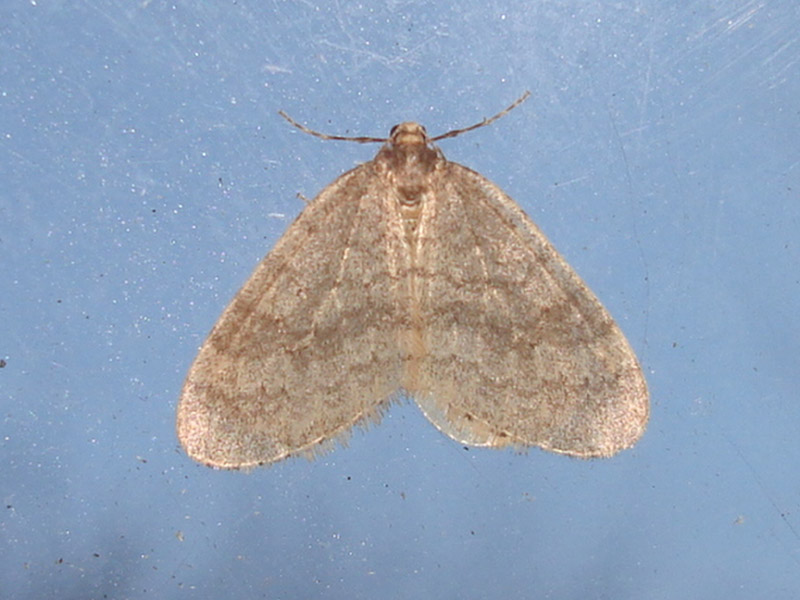
One of the longest nights of the year on Wednesday 21st was a damp and mild one that saw the moth trap being put out at the country park. The conditions were as good as could be expected for the time of year. This December moth pictured above shows the very feathery big antennae of the male, used to track down the females. Four of these moths were in the trap which is a good tally for here.


At least five winter moths had made their way to the trap within the first hour of darkness although not many were still around by daybreak.


It was a good night for the chestnut moth with five in the trap in the morning. Many of them appeared dark brown with a sheen to the wings, looking like dark chestnut moths.


No sign of any snow buntings on this first beach at the park on a dull Wednesday 21st, however there were 26 snow buntings here on Tuesday. Also along the seawall on Tuesday were 2 chiffchaffs still spending an unusual amount of time recently low down by the saltmarsh or along the dyke. A sparrowhawk flashed low over the saltmarsh near the Point.

On Wednesday along the outer edge of the mud offshore from the park were 160 shelduck and 200 avocets. Flying high over the fields in the afternoon were 100 fieldfares heading west. The grazing fields were much wetter with recent rain although duck numbers were about 200 teal and 300 wigeon. Two foxes emerged from the hedge behind the pools at the end of the afternoon.

On the park pond a water rail was seen at dusk underneath the overhanging willows. Eight tufted ducks seemed to indicate some new arrivals while in the grass field nearby were 5 snipe.

Sunday, 18 December 2011

BRENT AND BARNACLES


It was a very chilly Sunday 18th to be out looking at the geese at the country park. This pale bellied brent goose wandered into the middle of the frame of this picture, as it fed with 300 dark bellied brent. It had been seen first thing in the morning on the shore feeding on mudflat algae. In the afternoon the brent flock of 500 geese was feeding next to Ivy Farm with the pale-bellied present again along with the black brant too.

Earlier in the morning a group of 37 barnacle geese flew noisily from the west in front of the park shore and then turned into the Colne estuary. They were later found by Martin Cock at Maydays in the Pyefleet Channel, where 33 of them flew back east and back out of the Colne, leaving 4 barnacles to fly to the Strood channel. This is the second morning running that a group of barnacle geese have flown into the estuary, potentially being wild birds newly arrived.

Also in the Colne was the great northern diver opposite Rat Island, while 10+ pintail were in the Pyefleet and there were also 9 goldeneye at Maydays seen by Martin. Five marsh harriers were seen over Langenhoe and 150 avocets on the mud here were just one of many such groups dotted around the estuary.

On the first beach near the park 25 snow buntings were pesent for most of the day foraging for seeds amongst the grassy part well back from the tideline. At least one chiffchaff was seen by the seawall near the Golfhouse but there was a report of two also being seen in the afternoon at the west end of the park seawall.

In the afternoon a male marsh harrier crossed over the river from Colne Point and flew low over the grazing fields as it headed north. Nine red-breasted mergansers flew out of the river as the tide came in and a common seal was seen in the river. Fifteen sanderling fed on the mud close to the beach and there was the usual spectacle of 2000+ dunlin, knot and golden plover along with many other waders pushed in by the tide.

Saturday, 17 December 2011

BRIGHT AND FROSTY


A sunny but frosty start to Saturday 17th with much of the standing water in the park's fields iced over. The only birds amongst the frozen pools were 34 snipe with another 6 seen at the west end of the pond. By mid-morning 300 brent geese were feeding on the fields along with 300 wigeon. In the afternoon during the high tide, 200 teal, 100 golden plover, 100 lapwing, 25 black-tailed godwits, 10 turnstone and 10 redshank were seen along with 100 rooks and jackdaws.

On the beach 27 snow buntings were present in the afternoon but hadn't been seen in the morning, while at the Point there were 44 sanderling. The chiffchaff was seen again in the morning at the corner of the seawall, calling a couple of times. In the muddy bay 1000 dunlin, 50 knot, 10 bar-tailed godwits and 200 avocets gathered as the tide came in.

Nine barnacle geese flew upriver past the Point which is the first sighting on the Island this year. It's difficult to say if these geese were wild ones newly arrived although the local feral ones are normally seen with greylag geese, whereas these ones were with a few wigeon. Also in the river and the Pyefleet were 15 pintail, 8 goldeneye, 18 red-breasted mergansers 10 great crested grebes while 4 marsh harriers were flying over Langenhoe Point.


Two pairs of wigeon have started to graze the grass in the pond field with these two pictured above providing nice views from the hide. A female pochard flew off the pond in the morning. Other ducks noted were 4 tufted ducks, 34 shoveler, 10 gadwall and 70+ mallard.

Two foxes were seen at the back of the pond at the end of the afternoon with one fox flushing 6 snipe as it trotted across the field. The regular curlew flew off too and 22 moorhens ran for cover. A sparrowhawk flew into the top of a willow tree scattering lots of wood pigeons and stock doves getting ready for the evening roost. A water rail was glimpsed walking along the edge of the water under the overhanging willow branches of the copse.

Had a phonecall to say 2 Bewicks swans had been seen in the Mersea Quarters from Old Hall Marshes around the middle of the day.

Thursday, 15 December 2011

LONG EARS


It was a bit of a surprise to find this brown long-eared bat lying dead in front of the door of the East Mersea church on Thursday 15th. The huge ears are quite a sight close-up and seem completely out of proportion to the rest of the body. This picture of the face was the most interesting angle to photograph the bat as part of the main body showed signs of an attack.

All bats should be tucked up by now for the winter hibernating in an old tree, a house or maybe even in an old church! I'm not aware of long-eared bats being recorded at the church here before although I think pipistrelles have often been noted. For a few summers a long-eared bat used to catch moths at night at the country park and then eat them inside the toilet block, leaving the moth wings lying on the floor. There were signs of possible long-eared bat presence this summer on only a handful of nights.


The big juicy fruits of the strawberry tree hang beside East Mersea's Church road, and seem particularly colourful this winter. Aware that the latin name Arbutus unedo refers to eating the fruit only once because of the taste, I was pleasantly surprised how fleshy and sweet it was. This tree here has been planted but the strawberry tree is a native tree in SW Ireland.


At the country park 27 snow buntings were back today on the chilly and windswept beach at the Point. They weren't seen yesterday although they had been reported on Tuesday. Not the same big flocks of waders or wildfowl on the fields in the last few days. Common snipe numbers have dropped to 25 with 3 also seen from the hide by the pond while 200+ teal and 300 wigeon were also seen.

Steve Grimwade and his Swallow Birding Group visited the park on Wednesday and noted a male peregrine and a male marsh harrier over the grazing fields where 250 teal were on the pools. Also seen was the wintering chiffchaff by the seawall and dyke, with 150 avocet, 15 sanderling, 2 rock pipits, 2 sparrowhawks and 2 great spotted woodpeckers also seen on the morning walk. There was also a big flock of 1000 golden plover which drifted high over the fields in spread-out flying formations.

On Tuesday a female marsh harrier flew west over the fields by the park battling into the strong headwind. The water rail showed again on the field edge of the pond and 3 snipe were nearby. In the grazing fields 700+ golden plover rested at high tide.


Glyn Evans kindly sent this photo of two sanderlings he saw at East Mersea Point on Monday 12th. He also managed to flush a short-eared owl from the Point which flew along the seawall where it flew up again a couple more times before flying inland near Shop Lane. Three green sandpipers were seen near Maydays Farm.


This photo was passed onto me by David Littlejohns of the sick fox that was seen at the park in late October. The fox was seen by a number of visitors to the park and seemed very unwell, allowing people to get quite close to it. It appears that the fox was suffering from an infestation of ticks which can be seen in the picture still attached behind the ear and above the eye. At the time I looked for this fox following the various reports but it had disappeared from view by the time I was free to check it out.
Currently there are at least two very healthy looking foxes often seen at the back of the pond.


Lastly, Brain Church sent me a video clip of the red-breasted goose at Old Hall Marshes, taken yesterday morning. This is the goose first found on the Island a month ago but which has taken up residence on Old Hall. I've asked Brian to send it back to its original finder when he's finished filming it!

GOOSE CLIP
http://www.youtube.com/watch?v=lQelO6tAv8o&feature=youtube_gdata_player;